
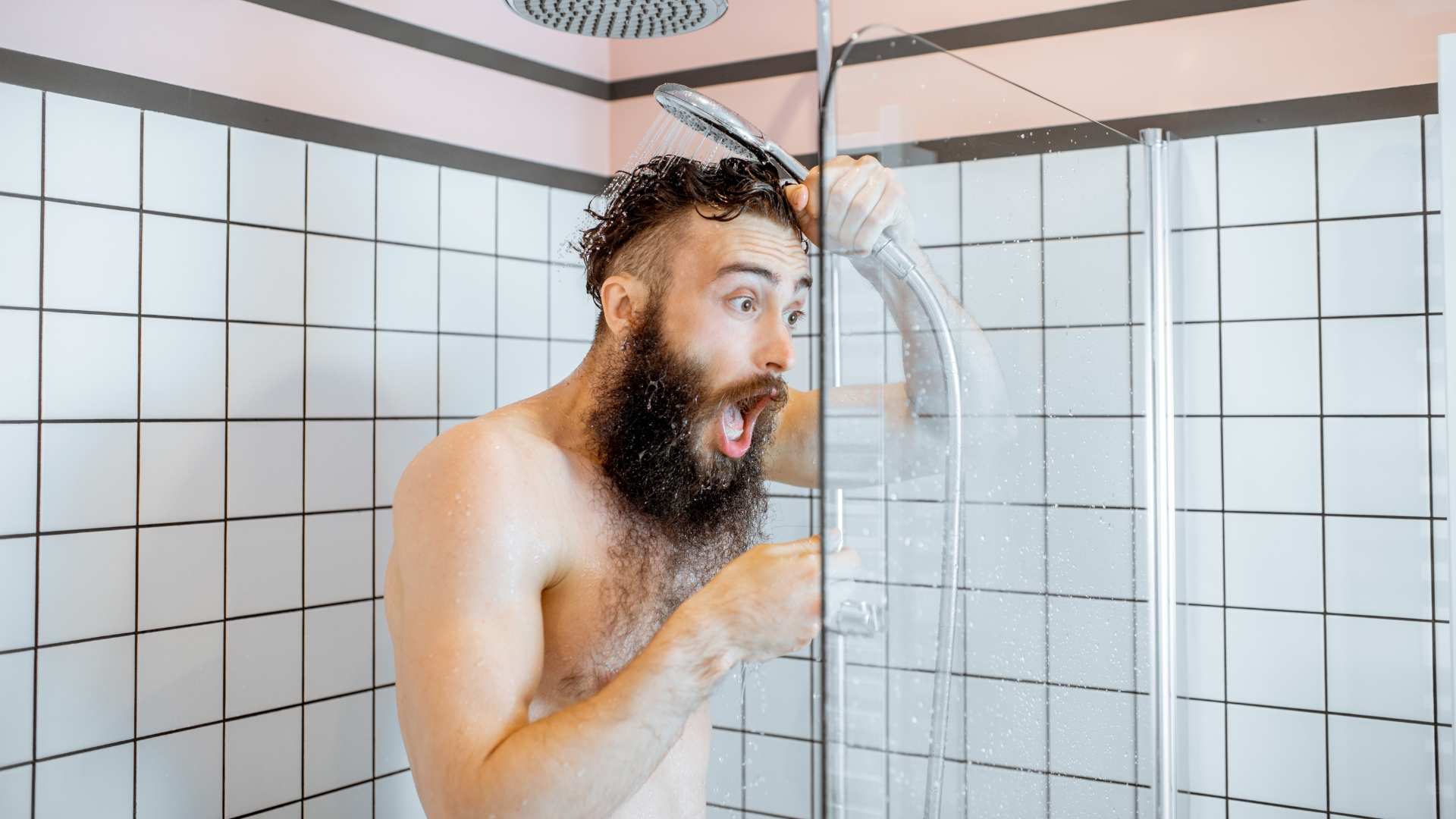
You may feel refreshed taking cold showers, but health experts warn that these showers may sometimes be dangerous to certain individuals. Therefore, those with increased blood pressure, heart trouble, or low immunity should avoid cold showers.
What Is the Risk?
Cold water causes blood vessel constriction, meaning your blood vessels tighten. This increases blood pressure, which is dangerous for persons with cardiovascular diseases or stroke survivors, or persons recovering from surgeries. According to the American Heart Association, in vulnerable individuals, sudden exposure to cold may precipitate arrhythmias and even myocardial infarctions.
Who Should Avoid Cold Showers?
Persons with high blood pressure (hypertension)
Anybody who has had a heart attack or stroke
Those suffering from Raynaud’s disease (where the fingers and toes become cold and numb)
Older adults with chronic illnesses
Those who have a compromised immune system
The Mayo Clinic Health Report (2024) refers to studies published in The Journal of Hypertension, which confirm that cold showers precipitate stress on the heart and worsen already existing conditions.
What’s the Safer Choice?
Warm or warmish showers are safer. They relax the muscles, enhance circulation, and maintain normal blood pressure and heart rate.
Final Advice:
If you feel lightheaded, experience pain in your chest, or experience breathing problems after taking a cold shower, seek immediate medical attention. Be sure to consult your doctor prior to altering your bathing routine, particularly if you have a medical condition.