
When Was the Tariff Imposed?
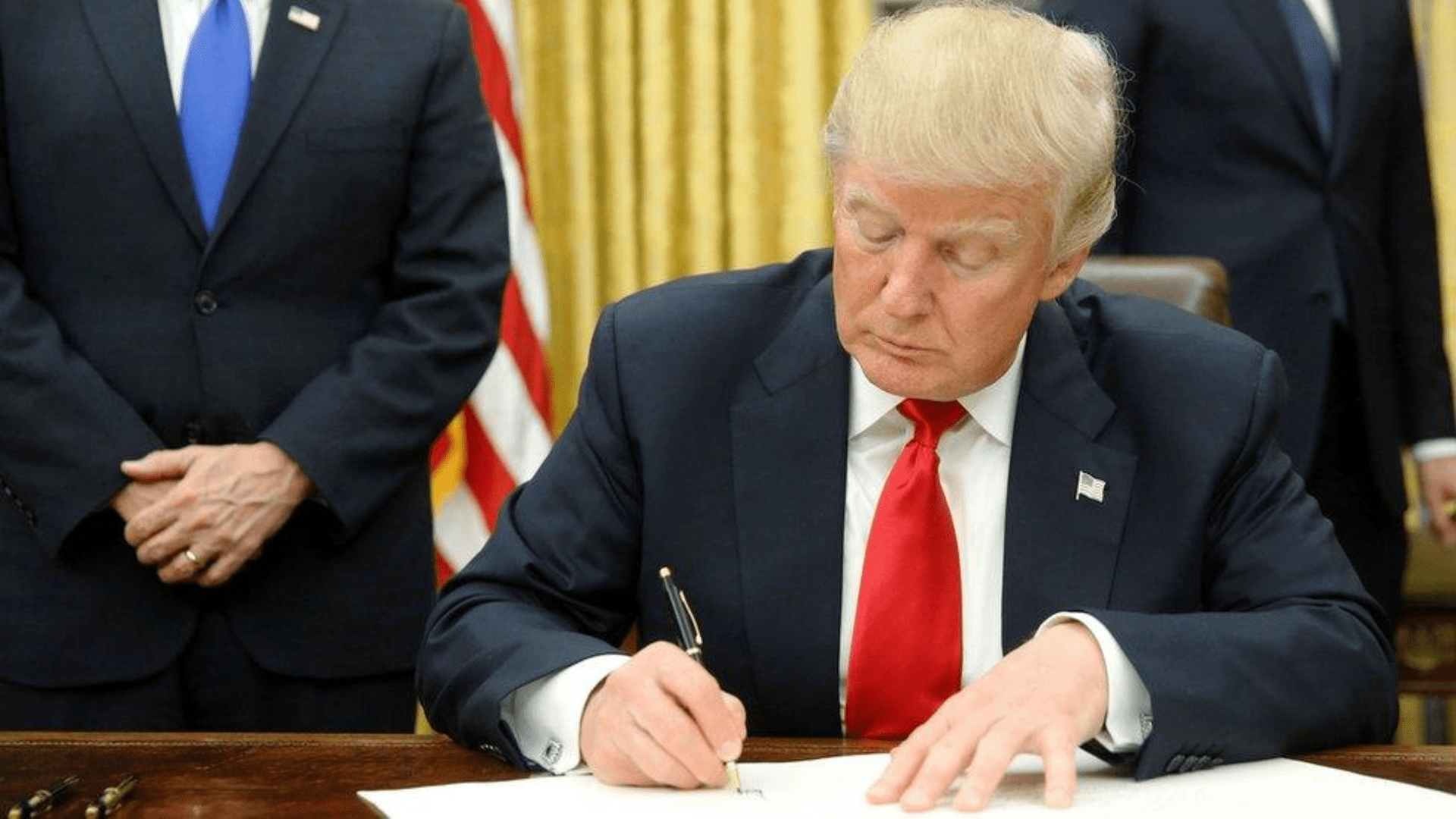
Former U.S. President Donald Trump announced a 50% tariff on Indian imports on August 6, 2025, during a rally in Ohio. The move was swiftly implemented through an executive order, targeting key sectors such as textiles, pharmaceuticals, and electronics. Trump justified the decision as a measure to protect American industries from what he called “unfair trade advantages exploited by India.”
Why Did Trump Impose 50% Tariff?
Trump accused India of “currency manipulation, unfair subsidies, and an imbalanced trade relationship.” He emphasized that Indian imports were flooding the U.S. market, undercutting domestic manufacturers and widening the trade deficit. The decision is also seen as a populist move to win favor with industrial states ahead of the 2026 midterm elections.
India’s Response to the Tariff Hike
India called the tariffs “unilateral and protectionist.” The Ministry of Commerce hinted at retaliatory tariffs on American agricultural and tech products, while also seeking dispute resolution through the World Trade Organization (WTO). India emphasized the need for dialogue, not confrontation.
Impact on the Indian Economy
Indian exporters are expected to take a significant hit, especially in the textile and pharmaceutical sectors. The 50% tariff could cost India billions in lost trade, trigger layoffs, and slow GDP growth in export-dependent regions.
Effects on the U.S. and Global Economy
While the tariff might offer short-term relief to U.S. manufacturers, it risks raising consumer prices and disrupting supply chains. Global investors reacted cautiously, with both Indian and U.S. stock markets showing volatility. Economists warn this trade friction could weaken bilateral ties and hurt economic recovery in both countries.