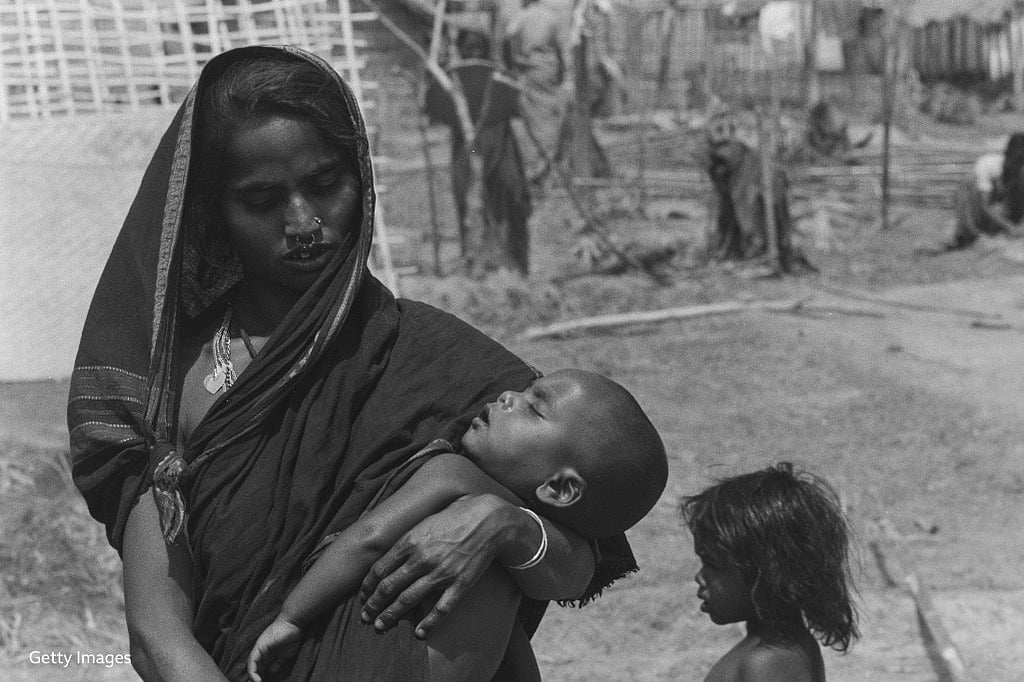
Four decades after the Nellie massacre, the tabling of the Tewary Commission Report exposes the scale and planning behind one of India’s most brutal episodes, where over 2,000 Bengali-origin Muslims were killed in hours. The tragedy, carried to Kashmir in 1983 as a political metaphor, reshaped electoral rhetoric, deepened communal divides, and became a warning of state failure. Its findings reveal premeditated violence, ignored intelligence, and political expediency that denied justice, leaving a legacy of distrust and polarisation that still resonates.