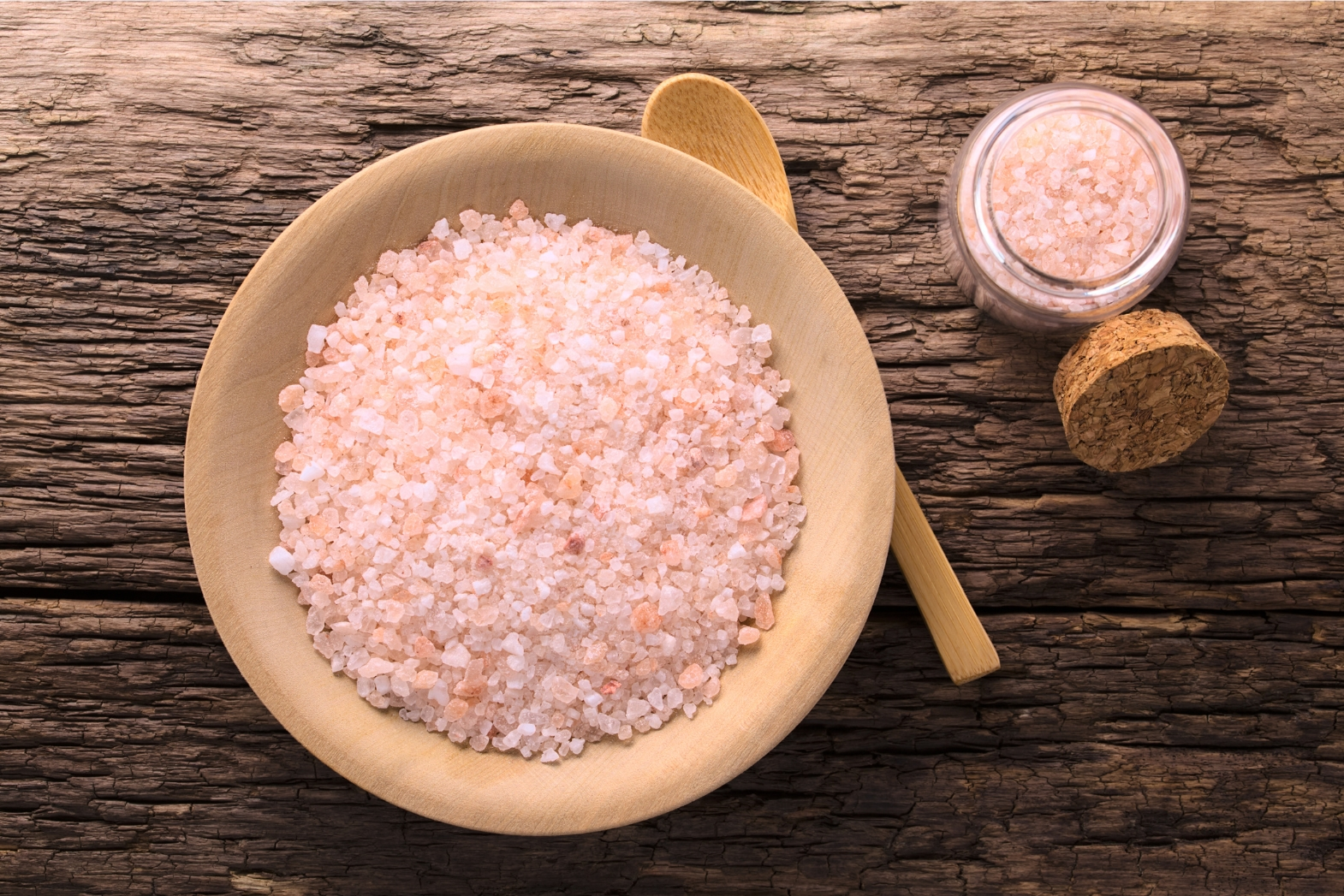
People are trading between regular coarse iodised salt and trendy Himalayan pink salt. However, medical doctors fear this may very well be fast-tracking the re-emergence of iodine deficiency.
Gastroenterologist Dr. Ali Kazemi shared an Instagram video recently in which he stated that iodine deficiency, which once almost died out, is re-emerging due to people opting for Himalayan or sea salt over iodised salt.
The Importance of Iodine
To make hormones that control metabolism, energy, and growth, our thyroid gland requires iodine.
The World Health Organization states that iodine stops goitre, helps enhance brain growth among children, and keeps thyroids in good health.
The Dilemma with Pink Salt
Himalayan pink salt does not have any iodine added. Therefore, the change forthwith eliminates that very important nutrient from the everyday diet.
From India, experts show shifts in thyroid tests in people after they used pink or rock salt for two years.
What You Could Do
Go back to iodised table salt and consume more iodine-containing foods like fish, dairy, eggs, and seaweed.
Pregnant and lactating women especially need about 150 µg of iodine daily — about half to three-quarters teaspoon of iodised salt.

This is what was talked about in this blog:
The whole world is salt crazy: by consumers switching to Himalayan pink salt, iodine deficiency results in up lack of iodine
The big warning about iodine deficiency with pink salt, coming from Dr Kazemi, others
Comparison: iodised table salt versus pink salt — iodised salt wins in iodine content
Dr. Ali Kazemi in the reemergence: iodine deficiency is making an unfortunate comeback
Fact: Himalayan salt lacks iodine; there is no enhancement of iodine in it.
For the thyroid level in terms of iodine: yogurt, seafood, eggs, and seaweed
May I remind you: Serve iodine in your dietary plan, fish, dairy, and seaweed.
Be smart: pick iodised salt or complement your Himalayan pink salt with iodine-rich foods; your thyroid will thank you.