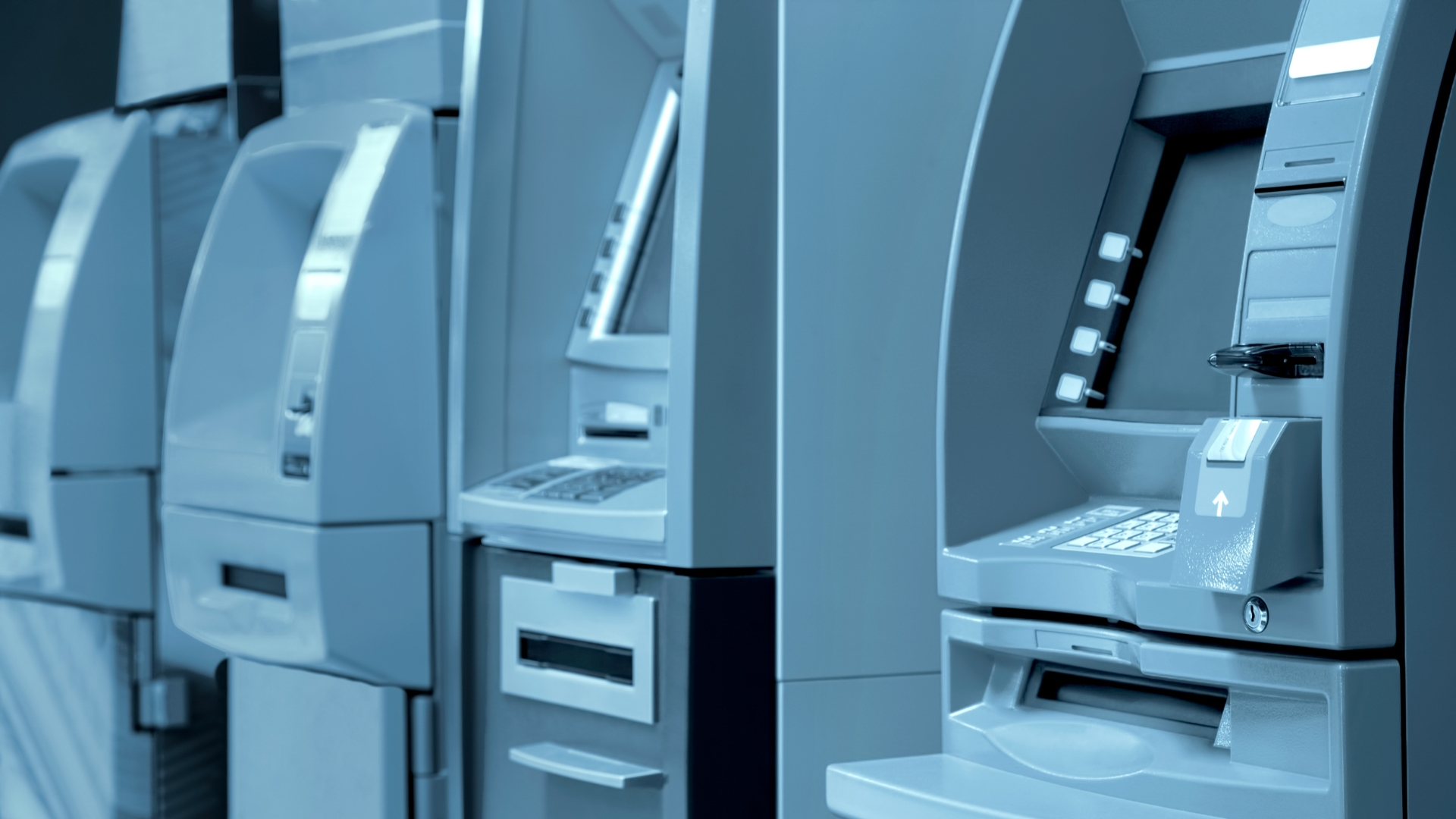
In June 1967, John Shepherd-Barron, an inventor born in India, entered the annals of banking history forever. Late one evening, when he was unable to withdraw cash after hours, the thought occurred to him: “If vending machines can give chocolates, why not cash?”. In collaboration with De La Rue, their machine, filled with special carbon-14 cheques and PIN code protection, was installed outside a branch of Barclays Bank in Enfield, London, on June 27, 1967. Actor Reg Varney performed the inaugural withdrawal of £10. It was essentially the first-ever modern ATM, and thus Shepherd-Barron can be credited for the PIN system that we all use, consisting of four digits.

But where does India come in? Fast-forward twenty years: in 1987, HSBC set up the very first ATM in India on Sahar Road, Mumbai. Thus stood India’s first real ATM, and introduced automated banking to the people of India. Some know for a fact that Prime Minister Rajiv Gandhi inaugurated it – or so it is claimed.
Since then, the ATM network has witnessed steady growth in Indian banking. In 1999, there were about 800 ATMs in the country. By 2003, the number had swelled to 10,000, and today India holds more than 200,000 ATMs attached to the National Financial Switch.
Today, modern ATMs in India offer far more: you can check your bank balance, deposit cheques, pay bills, withdraw cash without a card, or even donate money at temples!
A mammoth coexistence from its simple idea during a bank holiday, ATMs are very much part of daily life, even in small towns. Beginning in London, traversing to Mumbai in 1987, and spreading across India, this “ATM” is just the story of one spark of innovation being harnessed by millions in reliance.